

We get this question all the time, and the answer is actually quite simple. Think about how many available appointments you have per week and spend accordingly. The key element is knowing how much it roughly costs to acquire a patient.
So how do we work that out?
You divide how much you’ve spent over a period of time (I’d suggest a minimum of 3 months) by the number of patients that marketing spend has generated.
For example, if you spent £1,000 and got 50 patients, that’s £20 per patient. That’s your cost of acquisition (CPA).
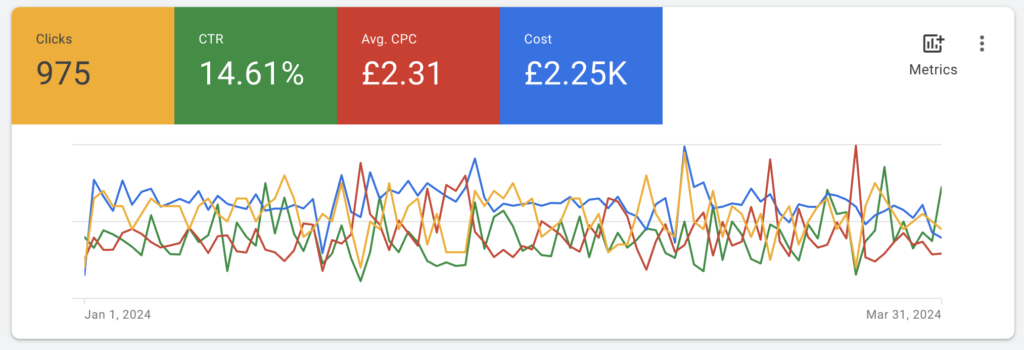
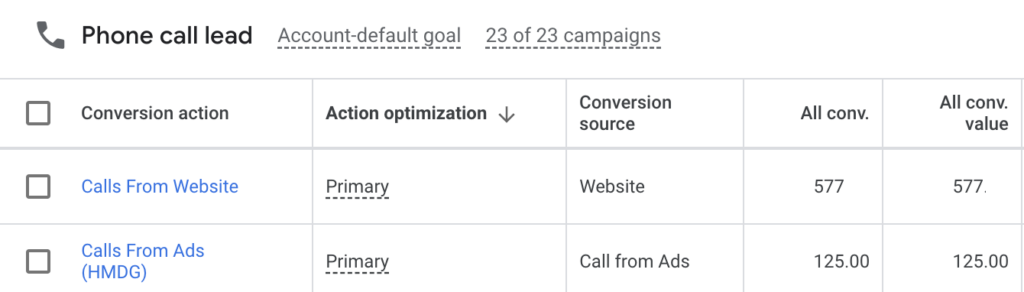
As an example, this client spent £2.25k on Google ads:
We then need to look at how many patients that generated. You do need to make a few assumptions here, but it’s simple:
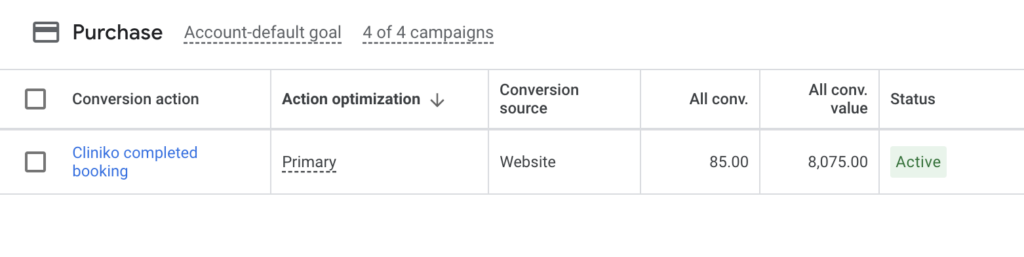
There are 85 bookings directly into Cliniko.
There are 36 phone calls. We obviously don’t know exactly how many booked, but we can assume at least 50% did, so let’s say 18 bookings from 36 calls.
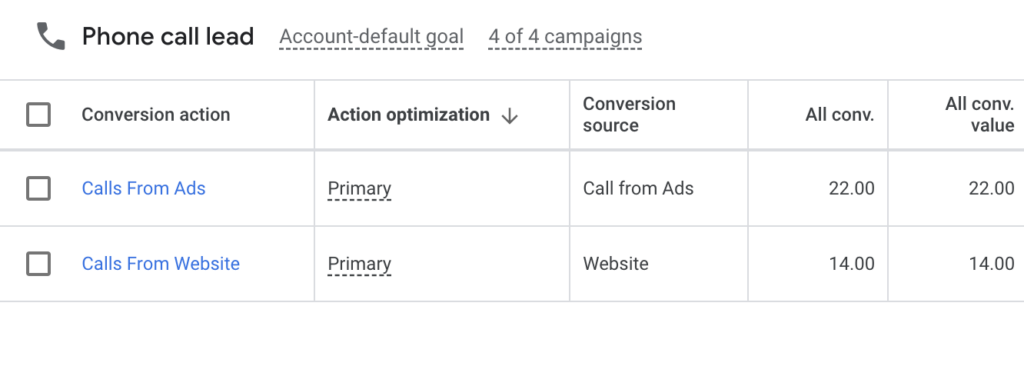
Then we have 14 form completions. This is where a patient messages on a form and asks a question like “can you deal with condition x”. We use the same calculation as above, 50%, so that’s 7 bookings.
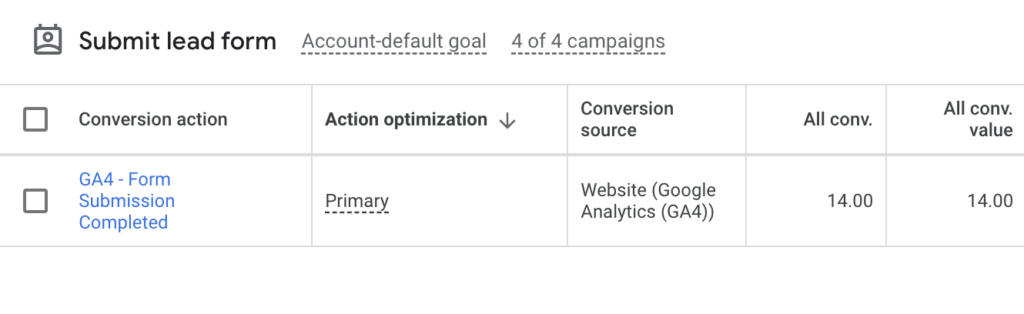
So this account spent £2,250 and generated 110 patients, which means that the CPA is £20.45. For simplicity, let’s call it £20.
Let’s say you have 10 free appointments on average per week, and your cost of acquiring a patient is £20, then you want to spend £200 a week. If you have 5 free spots, then it’s £100 a week.
It’s that easy. We’ll often see people spending £600 when they only have 5 appointments free. That’s obviously NOT a good idea.
A few things to note:
1. If you don’t know your CPA, then you probably shouldn’t be doing any marketing. It would be like Ferrari letting me loose with a toolbox with the hope I can make their F1 car faster. There’s a possibility it might work, but in all probability, it’s more likely not to start at all than go faster.
2. If you never have any same-day or next-day availability, then you might want to reduce your spend a little from the above, maybe 30%. If people can’t get quick appointments, then you won’t be making the most of your money.
3. Don’t change your ad spend every 5 minutes. It’ll cause more issues than you think.
4. Always think about profitability. If you pay your associate 50% of an appointment and your CPA is £100 while your appointment is £50, then stop spending. You need your CPA to be less than the profit you make unless there’s a strategic reason.
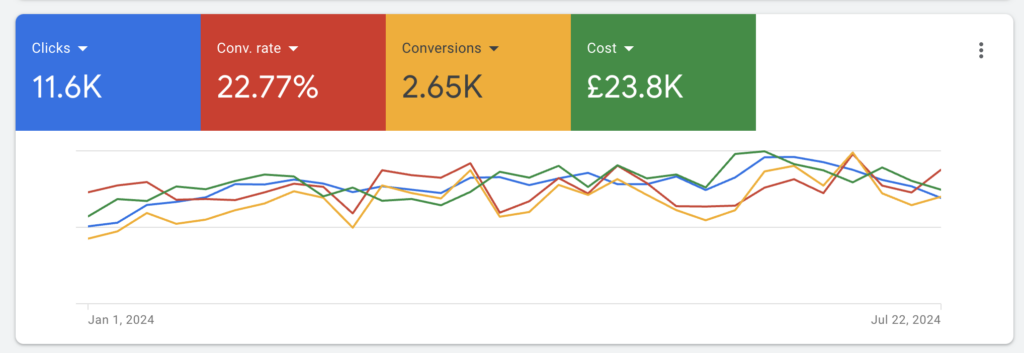
However they generated over £150k in first appointments.
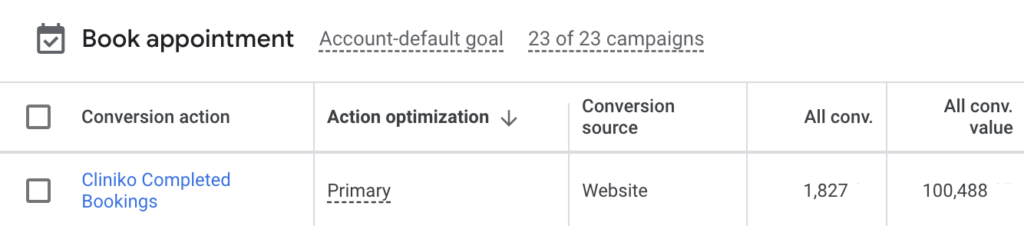
I think most people would bite my hand off if I said, “Give me £27k and I’ll give you £150k back.” Spending money is only a worry if you don’t get anything back (like when my other half spends money, all I get in return is the exercise in bringing Amazon boxes from the front door to the living room).
More importantly, the average patient rarely attends just one appointment. So think about their lifetime value (how many times on average they visit).
For example, if you spend £500 and get 20 patients spending £50 on an appointment, you’ve made £1,000. However, what if they come back 5 times on average? Then you’ve made £5,000. That’s actually a 10 times return.
That’s not including the referrals they may make or other revenue they might generate.
If you want help with Google Ads from a specialist in the industry, pick up the Batphone and give us a shout!